
By Melody Wright, LMFT
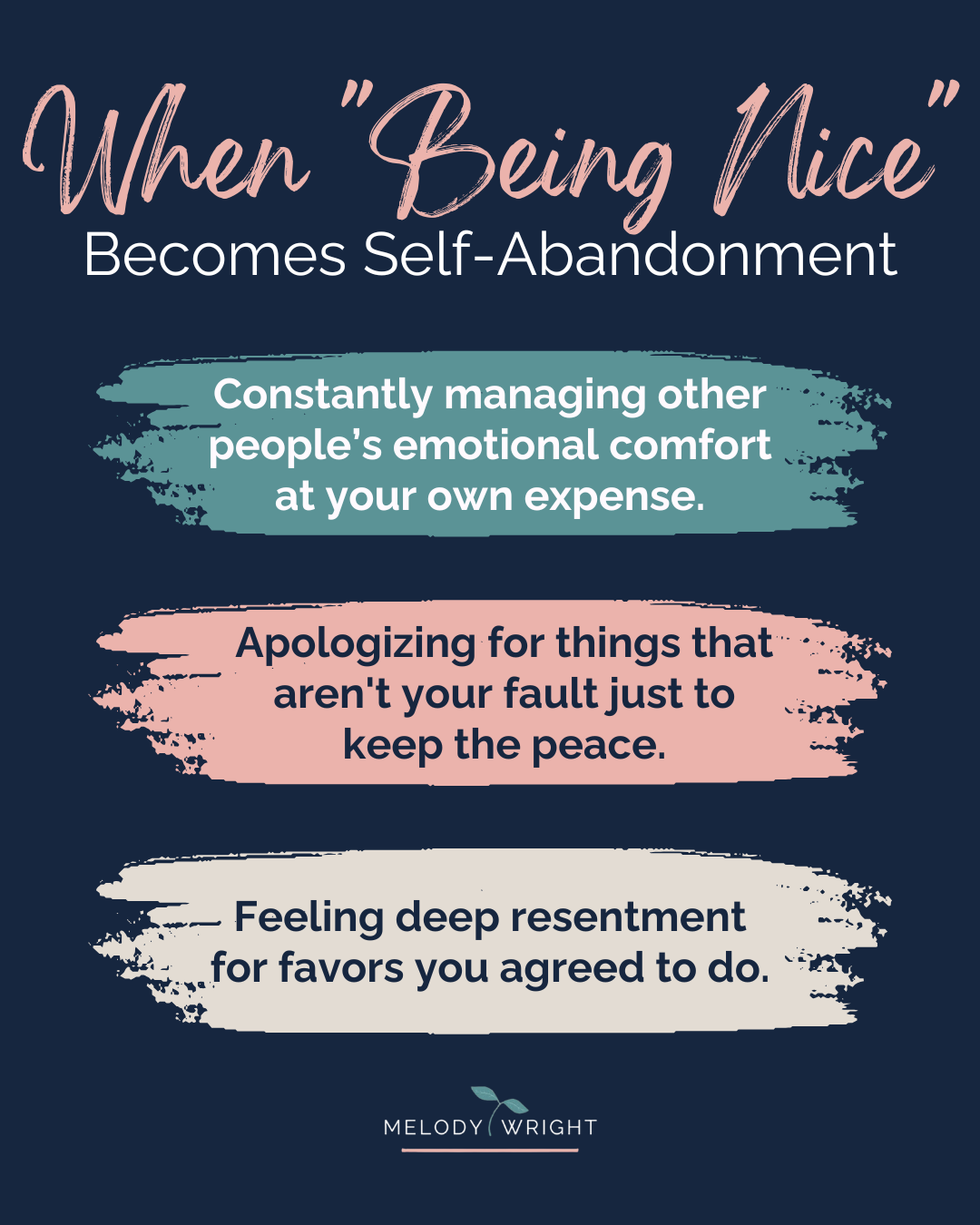
I've been thinking about the people who seem to have it all together. You know the ones. They're successful in their careers, thoughtful in their relationships, dependable to their families, and somehow always seem to remember the details that everyone else forgets.
They're the ones who send the birthday card, organize the family gathering, remember what someone mentioned needing three months ago, and show up when a friend is going through something difficult. At work, they're equally capable. They're efficient, effective, good at solving problems, and often the people everyone turns to when something needs to get done.
From the outside, they seem to be doing everything right.
But I've been wondering what it actually takes to maintain that kind of life.
When being capable becomes a role
I think there's something rewarding about being the person everyone can count on. You feel competent. People appreciate you, respect you, and look to you for guidance. There's a sense of confidence that comes from knowing you're good at what you do and that people can depend on you.
And there's nothing inherently wrong with any of that. Being thoughtful, responsible, generous, and capable are wonderful qualities.
But I wonder what happens when those qualities become more than characteristics we possess. What happens when they become roles we feel obligated to maintain?
The more capable you are, the more people tend to rely on you. The more efficiently you handle things, the more responsibility you may be given. At work, this can mean moving into management or leadership positions where your skills are recognized, but the demands and expectations are also greater. At home, it can mean becoming the person who anticipates everyone's needs, remembers the details, and makes sure things happen.
Over time, being good at something can translate into being responsible for it.
And being responsible for something can gradually turn into feeling responsible for everything.
The part we don't always see
What interests me is that this role can be genuinely fulfilling while also becoming exhausting.
You might enjoy being thoughtful. You might love taking care of people, organizing things, and making life easier for those around you. You might take pride in being someone who follows through and gets things done.
But when you're always the capable one, where does that leave room for the parts of you that aren't so capable?
Where do you go when you're the one who needs help? When you're overwhelmed, disappointed, sad, or simply don't have the energy to show up for everyone? When you make a mistake, forget something important, or let someone down?
I think there's a hidden cost to constantly being the person who has it together. It's not necessarily that you don't have needs or struggles. It's that the role you've built for yourself doesn't always leave much room for them.
You become so practiced at holding things together that you may have fewer opportunities to experience what it feels like to be held by someone else.
And I wonder how much of that is sustainable.
When you change, the people around you have to change, too
There's another layer to this that I find particularly interesting from a psychological perspective.
Our roles don't exist in isolation. They're reinforced by the relationships and systems around us.
Think about a family where one person has always been the organizer, the problem solver, the one who remembers everything and makes sure everyone is taken care of. Over time, the rest of the family may come to depend on that person without even realizing how much they've come to rely on them.
What happens when that person starts doing things differently?
Maybe they stop organizing every gathering. Maybe they don't immediately jump in to solve a problem. Maybe they let someone else remember the birthday, make the appointment, or figure out the logistics.
That shift can be uncomfortable for everyone involved. The people around them have to adjust, take on different responsibilities, and learn to function without relying on the same person in the same way.
And that can make changing difficult. Not only are you reconsidering your own identity and expectations, but you're also navigating other people's expectations of you.
Sometimes the hardest part of doing less isn't actually doing less. It's allowing other people to experience the difference.
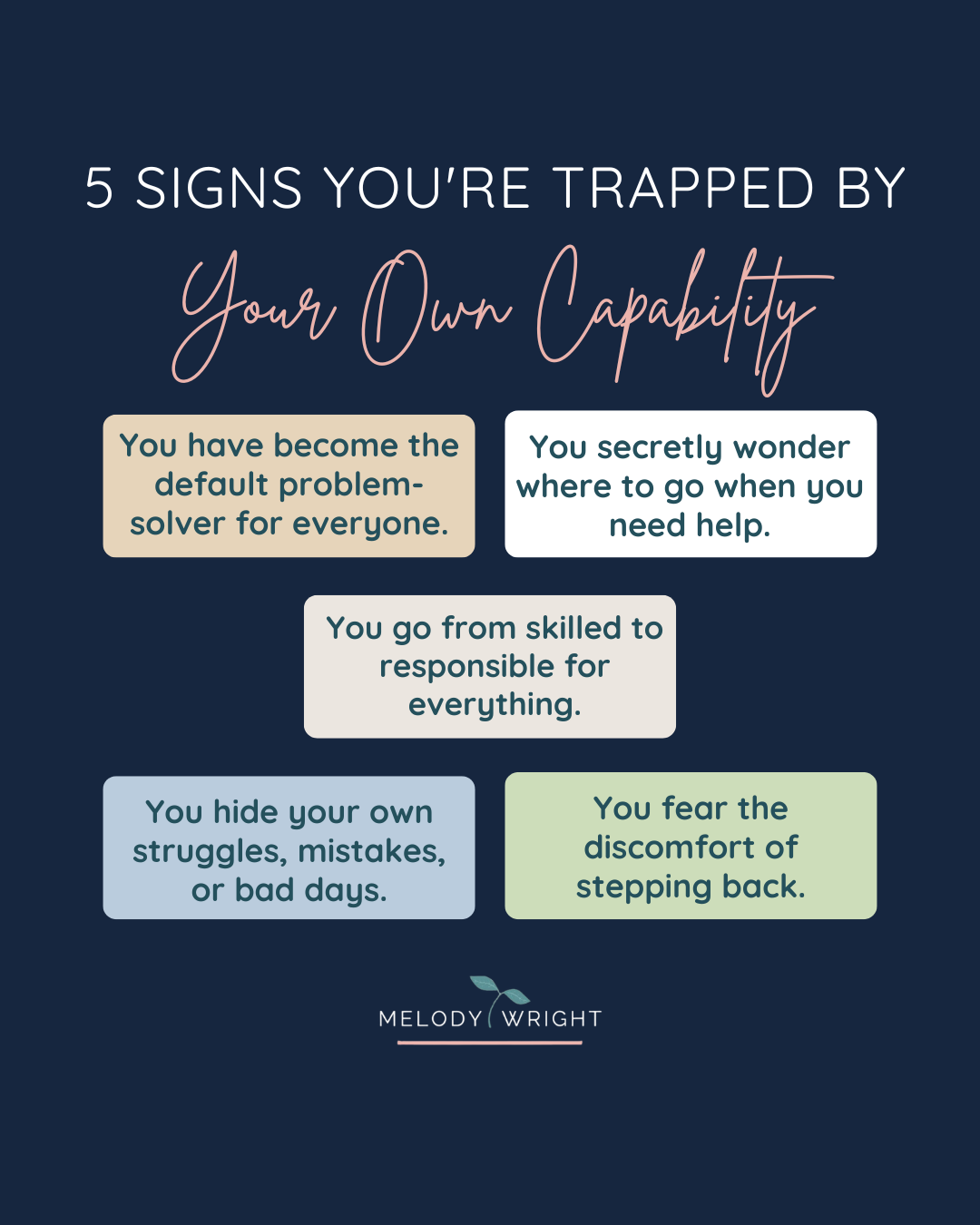
What if being capable didn't mean being responsible for everything?
I don't think the answer is to stop being ambitious, thoughtful, dependable, or generous. Those qualities can bring a lot of meaning and satisfaction to our lives.
But I do think it's worth questioning how much of our lives we've organized around maintaining them.
Can you be successful without constantly taking on more responsibility? Can you be a good friend, partner, parent, or family member without always being the one who makes everything happen? Can you be highly capable and still allow yourself to struggle, need support, or simply not have anything left to give?
I've been thinking about how easily the things we're good at can become the things that consume us.
We spend so much time building careers, businesses, relationships, and lives that we're proud of. But at some point, I think it's worth asking whether the life we've built actually leaves room for us to enjoy it.
Maybe the goal isn't to become less capable or to care less about the people around us. Maybe it's to create a life where we have the freedom to choose when and how we show up, rather than feeling like we always have to.
Because being the person who can do it all might look like success.
But having a life where you don't have to do it all? That might be a different kind of success entirely.
If you've been recognizing yourself in some of these patterns, it may be worth exploring what keeps you in the role of being the person who holds everything together. Sometimes, changing these patterns means understanding not just what you're doing, but why it feels so difficult to do things differently. At Life by Design Therapy, we offer holistic and somatic therapy in Berkeley and online throughout California to help you better understand yourself, reconnect with your needs, and create a life that feels more aligned with who you are and what you want. If you're ready to explore that work, we invite you to schedule a phone consultation with our team.
This Week's Affirmations
I can be capable without being responsible for everything.
My worth isn't measured by how much I do for others.
I am allowed to need support, rest, and space for myself.
I can let others take responsibility, even when it's uncomfortable.
I don't have to hold everything together to be someone who matters.
If you've been recognizing yourself in some of these patterns, it may be worth exploring what keeps you in the role of being the person who holds everything together. Sometimes, changing these patterns means understanding not just what you're doing, but why it feels so difficult to do things differently.
If you're interested in exploring this work through therapy, we offer somatic therapy in Berkeley and online throughout California. Schedule a phone consultation with me. We'll talk about what you're looking for, answer your questions, and explore whether working with me or another therapist on my team would be the right fit.

